Restrictions, permits and opportunities for an elegant bespoke celebration
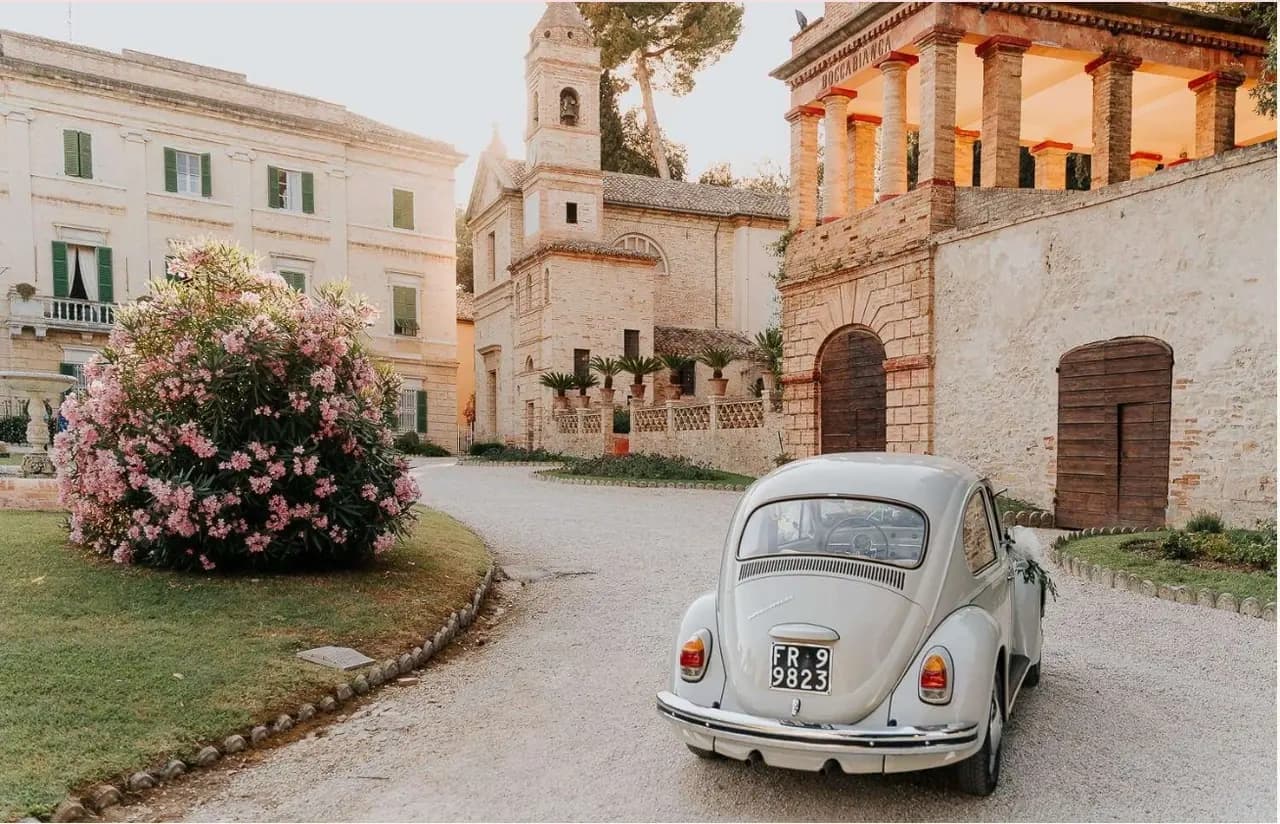
Getting married in a church or in a historic estate is never just an aesthetic choice. It is a gesture of belonging, a desire for timeless beauty, a way of imagining the wedding as a ritual that speaks with history.
These places hold a unique kind of charm: light filtering through ancient arches, stone worn by time, architectural proportions, and a silence that amplifies every emotion. Yet precisely because they are precious spaces, they require a different approach — more respectful, more intentional, more carefully designed.
Why choose a church or a historic venue
A church or a heritage villa is not simply a backdrop. It is a protagonist. It tells a story even before the flowers arrive.
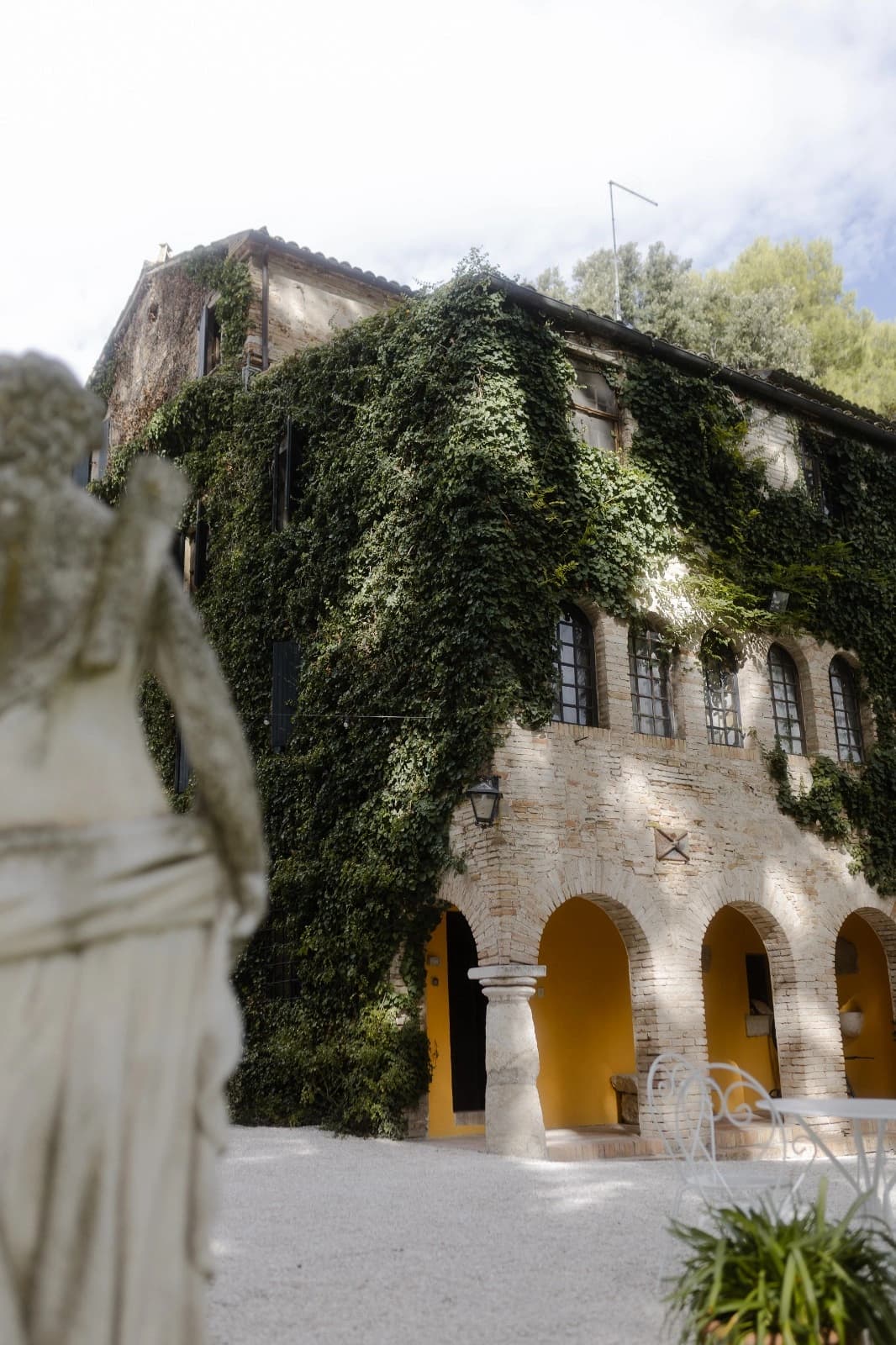
Choosing a historic venue means embracing an authentic beauty made of details that cannot be replicated: frescoes, columns, formal gardens, grand staircases, cloisters, terracotta floors, monumental entrances. It is the perfect choice for couples who desire a wedding that feels elegant, understated, and deeply cinematic at the same time.
Common restrictions: what you should know before you begin
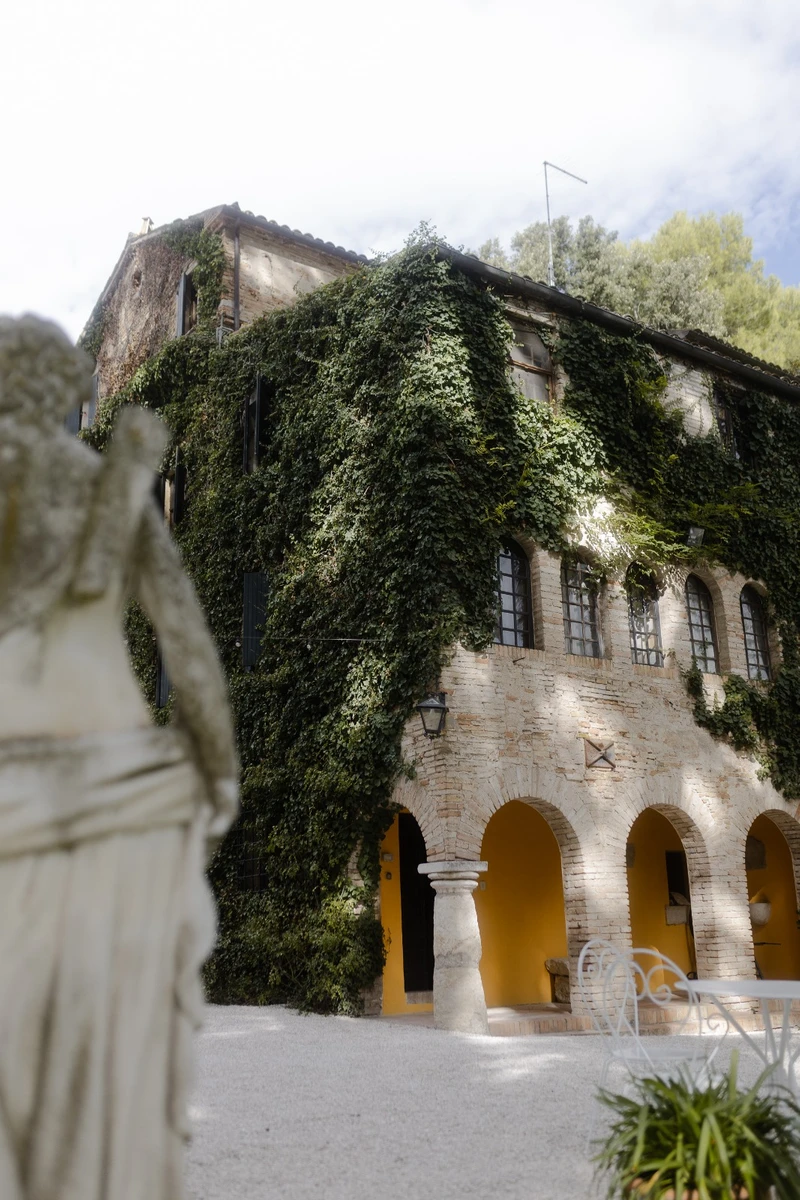
When planning a wedding in a church or in a protected heritage space, restrictions are often unavoidable. And this is exactly where the difference lies between a simple floral arrangement and a truly bespoke design project.
Very often, it is not allowed to attach anything to walls, columns, or historic furniture. Certain materials, such as strong adhesives or invasive supports, may be forbidden in order to protect delicate surfaces. The use of candles or open flames can also be restricted, as well as the installation of non-approved electrical equipment.
In many cases, access times are strictly regulated. Setup and breakdown must happen within precise hours, respecting the rhythm and needs of the venue. In churches, there may also be specific guidelines connected to the liturgy, music, the placement of décor, and even what is permitted at the couple’s exit.
None of this should be seen as a limitation, but rather as an invitation to design with greater intelligence and refinement.
Churches, Cathedrals and Duomos: specific rules and details to consider
When choosing to get married in a church — especially in a Cathedral or Duomo — it is important to know that many of these places have their own internal regulations. For this reason, before imagining any floral design concept, it is essential to speak with the priest or the person in charge in order to understand potential restrictions.
The most common limitations often involve elements that may seem like simple details to couples, but carry a strong symbolic and practical meaning. For example, the use of candles or open flames may not be permitted, especially in spaces with delicate materials or strict safety requirements.
Another key aspect concerns the aisle runner, which in some churches must be fixed directly to the floor. If the flooring is ancient or particularly valuable, this can create a real risk of damage and may require alternative solutions. Even the kneeler is often subject to specific rules: in some churches it may be covered with fabric, in others it must remain visible, or it can only be moved within very defined limits.
One of the most sensitive points is the altar, or mensa. In many churches, flowers are not allowed directly on the altar, as it symbolically represents the body of Christ. This is an important detail that couples may not be aware of, yet it is essential to avoid misunderstandings and to design the setup in a respectful and appropriate way.
Finally, even gestures that seem simple — such as throwing rice or flower petals after the ceremony — can be regulated or forbidden, due to cleaning policies, order, or preservation of the space.
This is why working with a professional who regularly designs weddings in churches can be an important advantage. Experience in these settings often means the florist already knows many of the rules, understands how to work discreetly, and can propose elegant solutions without ever crossing the boundaries set by the venue.
A practical tip: ask the right questions early
One of the most valuable steps when planning a church wedding is to speak calmly and openly with the priest or the person in charge, well in advance, to understand the church’s specific requests and traditions.
Some churches, for example, may require a floral offering to be left at the Madonna’s altar or a dedicated devotional space. Others may not allow flowers to be moved from the church to the reception venue after the ceremony. In certain cases, it is also considered a thoughtful gesture to leave a donation or a small gift to the church, as a way of honouring the place that hosted such a meaningful moment.
Having this conversation early — with tranquillity and curiosity — and asking clear questions helps avoid last-minute surprises, unexpected restrictions, and unnecessary stress on the wedding day.
Permits and authorizations: the invisible side of elegance
One of the most delicate aspects of planning a wedding in a historic venue involves permits. Some locations are protected by architectural or cultural regulations and may require specific authorizations or formal agreements with the management.
It is essential to clarify from the beginning who the responsible contact person is, and what the venue’s specific rules are. Some venues require a detailed project proposal before granting final approval, while others may request safety certifications for fabrics and materials. Vendor logistics also often need to be planned with great precision.
In these settings, beauty is also created through what is not immediately visible: preparation, order, and the careful management of every phase.
Opportunities: when design becomes truly “site-specific”
True luxury in these spaces lies in not imposing a setup, but in building one in harmony with the venue itself. A floral design project created for a church or a historic estate becomes a dialogue. The flowers do not compete with the architecture — they enhance it.
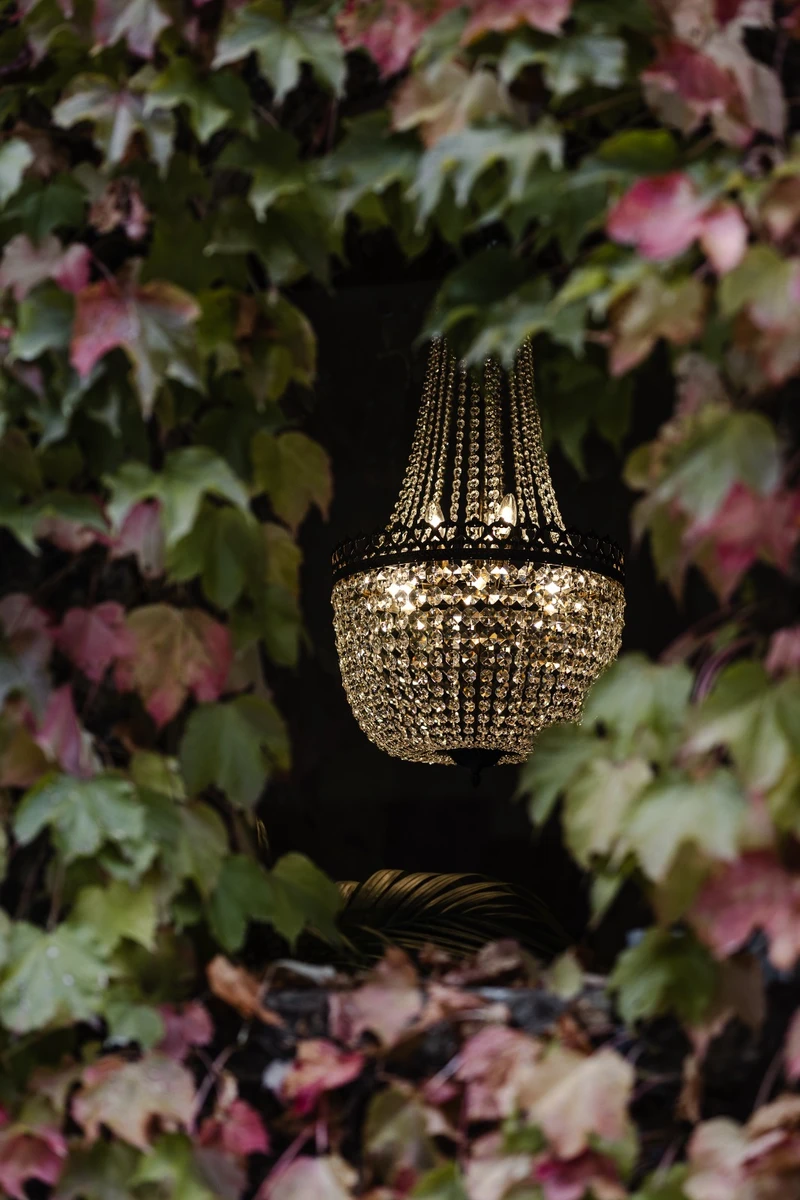
In these environments, the most successful scenography is light, balanced, and almost natural. Floral compositions follow the verticality of the space, the palette respects the tones of stone and historic materials, and every detail is placed with rhythm, without overwhelming the environment. The result is an elegance that feels as though it already belonged there, as if it had always been part of the venue.
Wedding in a church: how to create a refined floral setup
Floral design in a church requires a precise aesthetic language: respectful, harmonious, coherent. Here more than anywhere, one principle becomes essential: it is not about filling the space, but about enhancing it.
A few elements, placed with intention, can create extraordinary impact. The entrance, the aisle, the altar area, the couple’s seats: each point holds both visual and symbolic weight. The secret lies in rhythm and proportion, in the ability to highlight beauty without ever overpowering the sacred nature of the space.
Historic venues: beauty requires organization
Historic estates and heritage villas are breathtaking settings, but they often require more logistical attention than other venues.
Limited access, narrow staircases, delicate floors, distances between unloading areas and event spaces, restrictions on structures and technical installations — all of this influences the project and must be carefully anticipated. An elegant setup is also the result of managing technical details, ensuring that nothing feels improvised.
In these places, organization becomes part of the beauty.
Music, timing and designated areas: a key detail in historic venues
Another aspect that deserves special attention — particularly in historic estates and reception venues located in residential areas or protected settings — is loud music during the evening and late-night hours. Many venues enforce strict time limits for parties, especially at night, due to local regulations, neighbourhood rules or noise restrictions.
This detail can significantly impact the overall design of the evening, from the choice of band or DJ to the creation of a realistic and harmonious timeline. It is also important to consider that, in some venues, dancing may be allowed in certain areas but forbidden in others. For example, it may be permitted outdoors but not inside historic halls, or only allowed in designated spaces away from delicate architectural areas.
Understanding these limitations in advance helps avoid last-minute surprises and allows you to plan a celebration that feels coherent and elegant, perhaps introducing a shift in atmosphere after a certain hour — more intimate, refined, and still full of energy.
Our approach: respect, harmony, bespoke design
When we work in a church or a historic venue, the first rule is listening — not only to the couple, but to the space itself.
Every venue has a voice: a particular light, materials that speak, proportions that demand delicacy. Our role is to transform restrictions and rules into opportunities, creating a project that feels born there, as if it had always belonged to that place.
Because the most authentic elegance is the one that does not invade.
It accompanies.
And it leaves memory.
Photo: ONIRICO STUDIO by Francesco & Ramona