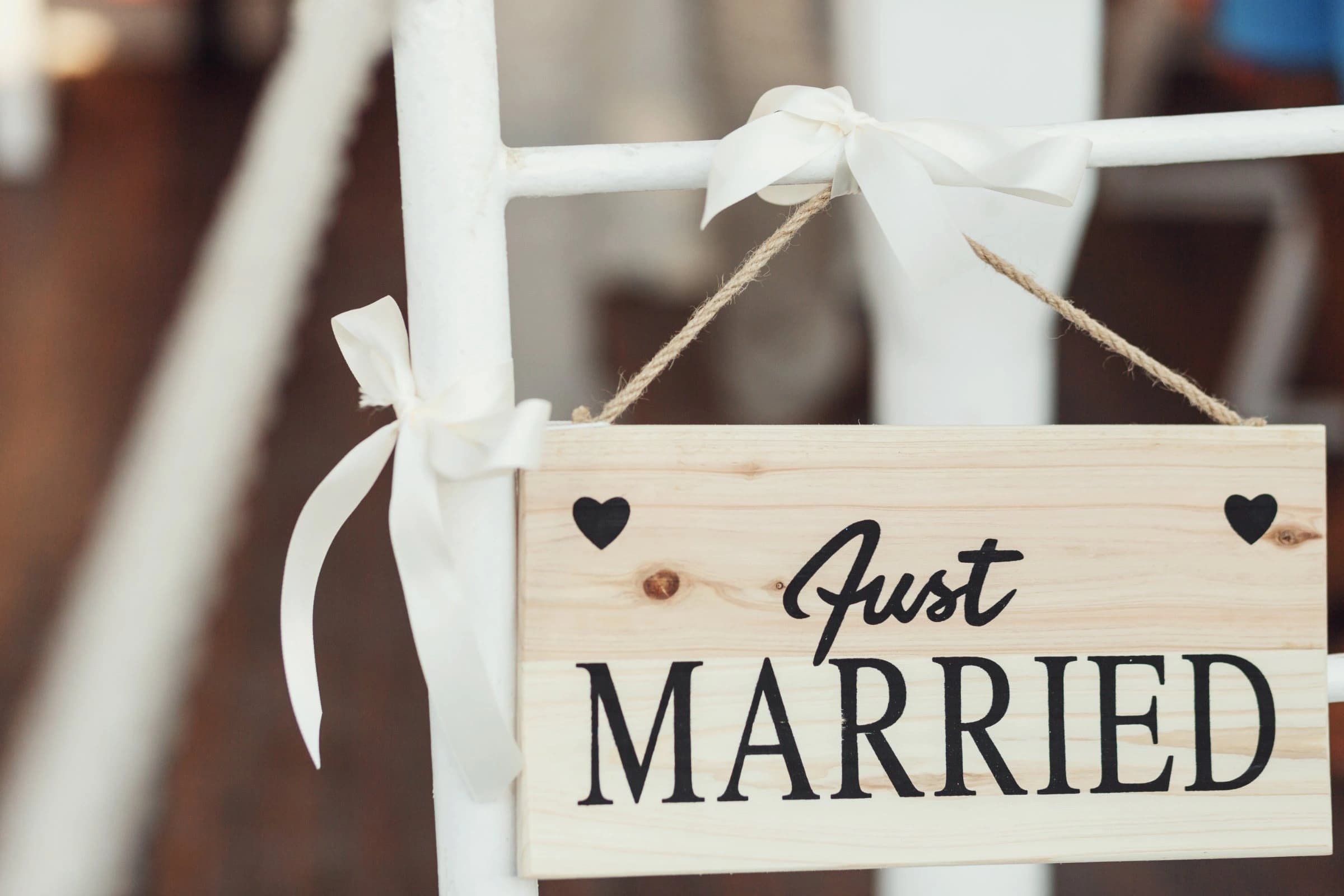
An elegant guide to begin designing a bespoke celebration
When the proposal arrives, everything suddenly feels brighter.
And in a way, it truly is — not because wedding planning begins immediately, but because a new perspective is born. A future that becomes real, shared, imaginable.
From that moment, you step into a journey made of emotion and decisions, inspiration and structure. And when the first steps are approached with intention, they become the foundation of a wedding that feels authentic, harmonious, and unmistakably yours.
1. After the proposal: where to truly begin
If you are wondering where to start planning a wedding, the answer is simple: allow yourselves time.
Pause. Breathe. Share the joy with the people you love. Let the excitement settle gently, without rushing into lists and deadlines.
Then, with calm clarity, begin talking about what you truly desire.
2. Defining your wedding style: creating a shared vision
Before choosing a date or a venue, it is essential to create a first vision — not perfect, but sincere.
Speak about what represents you: the light you love, the season that moves you, the places that feel like home. Imagine the atmosphere you want to breathe on that day: intimate or grand, refined or natural, minimal or rich in details.
This early vision will become your compass. It will guide every future choice — from the venue to the floral design, from the palette to the rhythm of the celebration.
3. Budget and guest count: the first essential numbers
Before falling in love with a venue or a moodboard, it is important to define two key elements: your budget and your approximate guest count. These are the first real numbers that transform a dream into a project.
Right after that comes another crucial decision: choosing the season of your wedding.
Because every season speaks its own language — through light, colours, flowers and mood.
4. Choosing your wedding season: pros and cons
The season influences everything: floral availability, the natural light, the overall palette, and even the practical flow of the day.
Here is a clear overview to help you choose with intention.
Spring wedding
Pros: soft light, romantic bloom, fresh palettes, delicate and airy atmospheres.
Cons: unpredictable weather, requiring a strong and well-designed plan B.
Summer wedding
Pros: long days, breathtaking sunsets, ideal for outdoor receptions and evening parties.
Cons: high temperatures, more complex logistics, and delicate flowers that need extra care.
Autumn wedding
Pros: warm, sophisticated palettes, golden light, an elegant and enveloping mood.
Cons: shorter days, higher chance of rain, and limited availability for certain flowers.
Winter wedding
Pros: dramatic, intimate atmosphere, candlelight, luxurious textures and refined details.
Cons: fewer daylight hours and the need for a venue with impeccable indoor spaces.
More than any other element, the season will shape your wedding not only aesthetically, but emotionally.
5. Wedding venue: how to choose the right one
The venue is the heart of your wedding project. It is the space that will hold your story, and it will naturally define the entire style of the celebration.
One of the most important factors to consider is maximum capacity. Many venues have strict limits regarding guest numbers — both for outdoor spaces and for indoor alternatives.
This is essential to evaluate from the very beginning:
the real capacity of gardens, terraces or outdoor areas
the capacity of indoor rooms for a plan B
the overall comfort and flow of the space, without overcrowding the experience
Plan B: not an option, but part of the design
When choosing a wedding venue, plan B is not simply a backup solution. It is a key part of the design.
A well-thought-out indoor alternative protects not only the logistics of the day, but the atmosphere itself — ensuring elegance, comfort and continuity in any weather condition.
6. The venue site visit: when to schedule it and why it matters
A detail often underestimated is this: a venue should be experienced in the same season you plan to get married.
If possible, schedule your site visit during the same month of the year you are considering for your wedding. This allows you to truly understand the light, the landscape colours, the temperature, and the natural atmosphere of the place.
It helps you envision the celebration more realistically, and it supports more informed decisions regarding floral design, styling and overall event planning.
A valuable suggestion: see the venue “in action”
If possible — and always with respect for privacy and without interfering with the event itself — it can be incredibly helpful to visit the venue on a day when it is hosting another wedding or event.
Seeing the space fully set up, with tables, service flow, guest movement and technical logistics, offers a much clearer understanding of key elements:
real capacity, distances between areas, catering logistics, light points, entrances, technical access, and the natural rhythm of the venue.
It is a discreet yet powerful way to evaluate the venue not only for its beauty, but for its functionality.
7. Choosing wedding vendors: building the right team
Once your venue and date are secured, it is time to build the team that will bring everything to life.
A bespoke wedding is never the result of individual services. It is the harmony of professionals working together, sharing vision, taste and sensitivity.
The most important vendors to book at this stage are:
Wedding planner, to guide and coordinate the entire project
Floral & event designer, to translate your vision into scenography through flowers, materials, colour and light
Graphic designer, to create your wedding stationery and visual identity (invitations, menus, seating plan, signage)
Photographer and videographer, to capture emotions and details with an editorial eye
Catering, to shape the guest experience through taste, timing and atmosphere
Music entertainment, with a band or DJ, both for the ceremony and the party, to define the rhythm and energy of the day
Each vendor becomes part of your wedding’s identity. And the most important element is not simply skill — but alignment, trust, and a shared aesthetic language.
Conclusion: the first chapter of your wedding story
The first steps of wedding planning are not a checklist. They are the beginning of your story.
From the proposal to the venue, from the season to the team of professionals you choose, every decision becomes part of something deeper: an event that will not only look beautiful, but feel meaningful, harmonious and unforgettable.
A wedding that speaks of you — even before it speaks of flowers.